Step 1
Report the turtle
A beachgoer, volunteer, or lifeguard fills out a brief report that captures location, photos, species if known, and basic observations like injuries, entanglement, or disorientation.
TurtleSync connects sightings from the public with the organizations that can help. Reports are logged, organized, and routed so that stranded turtles and vulnerable nests are not lost in the noise.
TurtleSync is designed to feel simple for the person on the beach while capturing the detail that rescue teams and researchers need. The platform is being built in stages and will continue to grow as partnerships are added.
A beachgoer, volunteer, or lifeguard fills out a brief report that captures location, photos, species if known, and basic observations like injuries, entanglement, or disorientation.
Each submission is stored in a structured database, making it easier to track hotspots, repeat issues, and seasonal trends in stranding and nesting activity across the coastline.
The long term goal is for TurtleSync to act as a hub that forwards reports to the correct authorized rescue group or turtle hospital based on region and type of case.
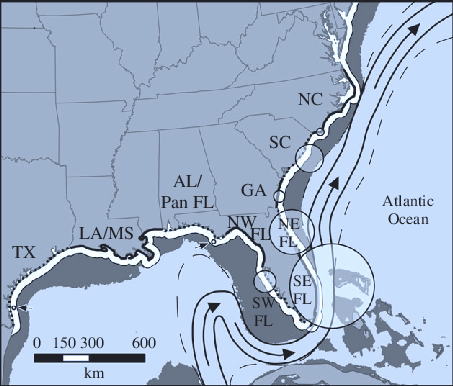
TurtleSync is starting with a focus on United States coastlines, where sea turtle strandings, nesting activity, and boat traffic are all increasing. The platform is being structured in a way that can expand to new regions and partner networks.
Sea turtle rescues are often handled case by case. TurtleSync aims to protect individual animals while also helping scientists and conservation teams see the bigger picture of what is happening in the water and on the beach.
A future goal is to publish annual summary snapshots so that anyone, from a middle school student to a marine biologist, can see how turtles are doing over time.
People on vacation might only see a sea turtle once in their life. A few small choices can either keep that turtle safe or put it in danger. These guides explain what to look for and what to do in the most common situations.
Guidance on this page is based on best practice tips from permitted sea turtle programs and coastal wildlife agencies. Always follow local rules and instructions from authorized responders in your area.
The tape and wooden stakes protect eggs that are buried under the sand. Even one person walking through can crush part of a nest.
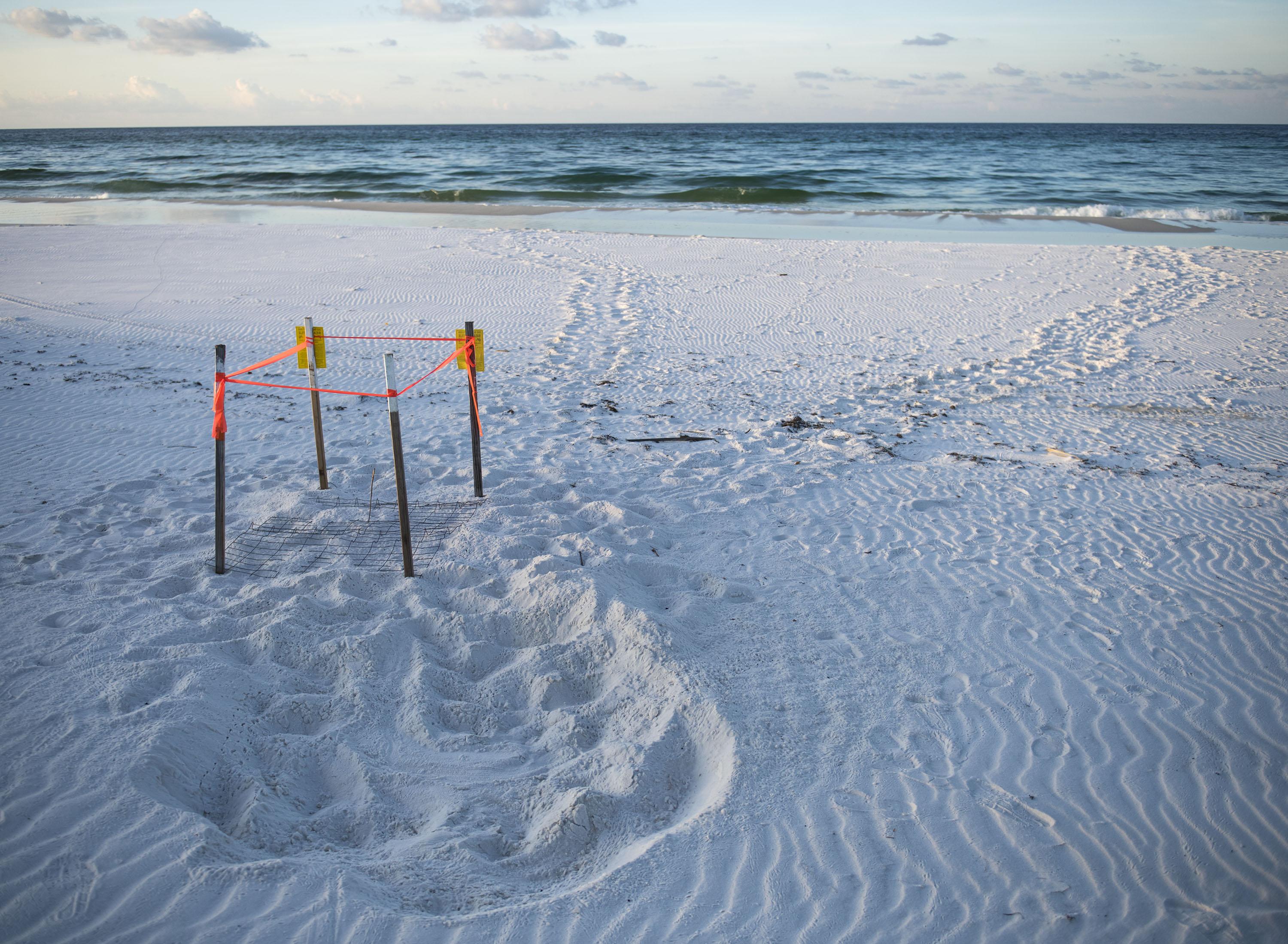
Example of a marked nest. Turtles have already laid eggs here, even if you do not see any shells or tracks.
Hatchlings need to crawl to the ocean on their own. This helps them build strength and orient to the shoreline using natural light.
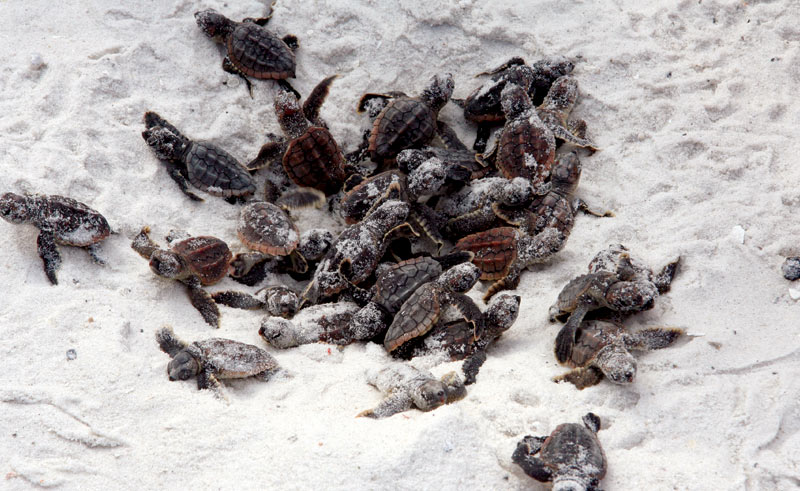
Hatchlings are often confused by bright house lights or street lights and can head inland instead of toward the water.
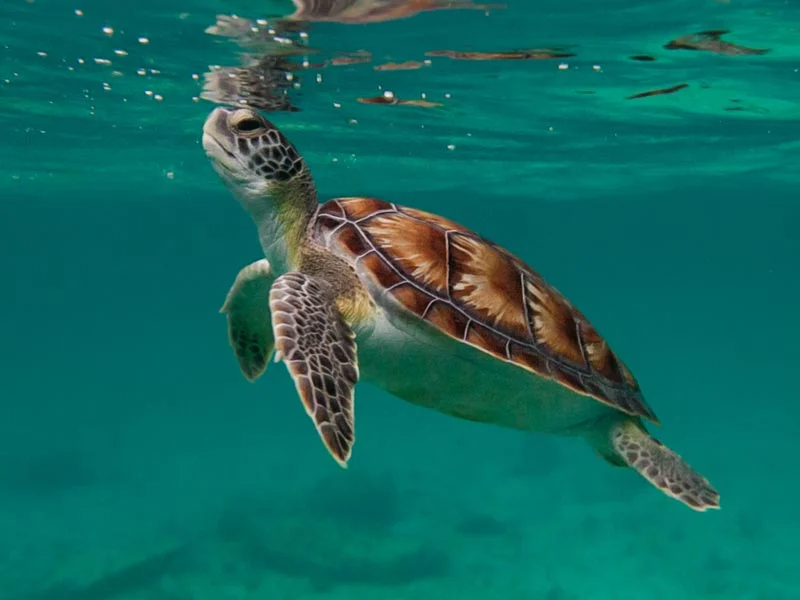
A turtle on the beach in the daytime, or floating and not diving, is often in trouble. Pushing it back can make things worse.
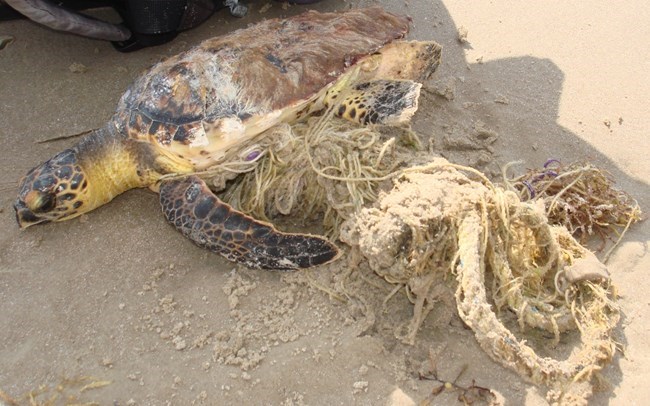
Stranded turtles can be injured, sick, or cold stunned. They need trained help and sometimes transport to a turtle hospital.
TurtleSync is looking for input from organizations that respond to sea turtle strandings, manage nesting beaches, or care for marine wildlife. Feedback on report design, data fields, and regional routing will shape the next phase of the project.
Future plans include a secure partner portal where authorized users can view and filter reports for their region, export data, and collaborate on outreach for high risk areas.
If you work with sea turtles or marine wildlife and are interested in being a pilot partner, your insight would directly guide how TurtleSync grows.